Latest Cancer Research Advances in 2026: From Precision Oncology to Cancer Vaccines
Explore the latest cancer research advances in 2026, including precision oncology, AI, liquid biopsy, cancer vaccines, immunotherapy, biomarkers, and multi-omics.
Cancer research is rapidly evolving as researchers combine genomics, immunology, artificial intelligence, molecular profiling and advanced biotechnology to better understand tumor biology and develop more personalized approaches. In 2026, several research directions are receiving particular attention, including precision oncology, functional precision medicine, liquid biopsy, cancer vaccines, immunotherapy and AI-powered cancer research. Rather than relying on a single technology, current research increasingly integrates multiple biological data types to characterize tumors and understand how they change over time.

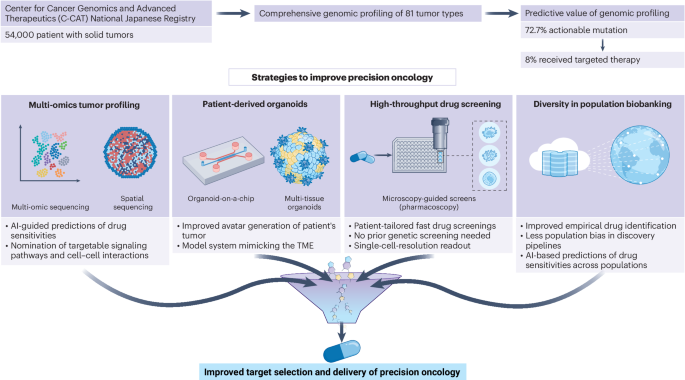
1. Precision Oncology Is Moving Beyond Genomic Profiling
Precision oncology has traditionally focused on identifying genetic mutations and molecular alterations that can help match tumors with targeted approaches. However, researchers are increasingly investigating whether genomic information alone provides enough information to predict how an individual tumor will respond.
The National Cancer Institute recently highlighted functional precision medicine, an approach that directly tests living tumor cells to investigate their responses to different compounds. This strategy could complement genomic sequencing by providing functional information about tumor biology.
The combination of tumor sequencing, functional testing, single-cell analysis and artificial intelligence may therefore become an increasingly important area of cancer research.
Key research areas:
- Cancer genomics
- Tumor molecular profiling
- Functional precision medicine
- Single-cell sequencing
- Biomarker discovery
- Precision oncology research
2. Artificial Intelligence Is Expanding Cancer Research
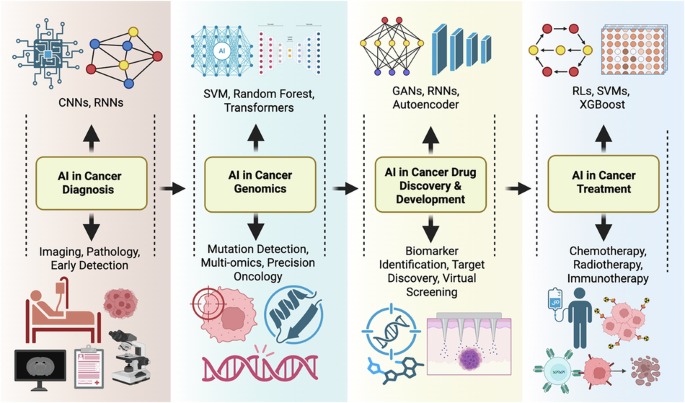
Artificial intelligence in cancer research is another rapidly developing field. Researchers are investigating AI systems capable of analyzing complex biological and clinical datasets, including genomic information, pathology images and molecular profiles.
The AACR's 2026 Cancer Progress Report identifies AI as an important technology for accelerating scientific discovery, supporting drug development and enabling more personalized approaches to cancer research.
AI can potentially help researchers identify patterns that are difficult to recognize using conventional analysis methods. Combining AI with digital pathology, genomics, transcriptomics and imaging data may provide a more comprehensive view of tumor biology.
3. Liquid Biopsy and Circulating Tumor DNA
Liquid biopsy remains one of the most actively investigated areas of cancer research.
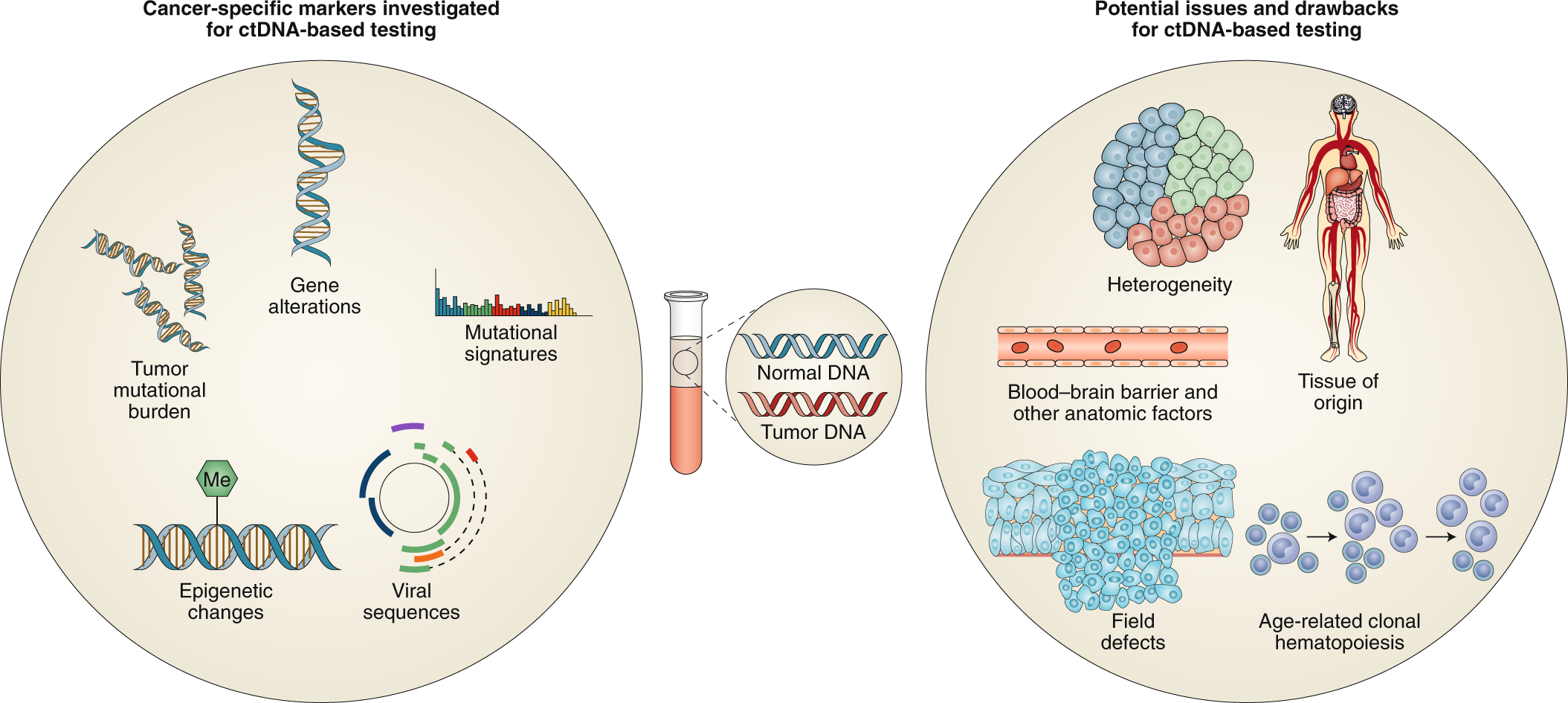
Instead of relying exclusively on tissue samples, liquid biopsy approaches analyze biological material circulating in blood, including circulating tumor DNA (ctDNA), cell-free DNA and circulating tumor cells.
Recent research is examining how ctDNA can be used for:
- Cancer detection research
- Molecular profiling
- Monitoring tumor evolution
- Minimal residual disease research
- Treatment-response monitoring
- Detection of emerging molecular resistance
- Biomarker discovery
The 2026 AACR Cancer Progress Report describes liquid biopsy as an increasingly important source of minimally invasive molecular information. Advances in fragmentomics are also allowing researchers to extract additional information from cell-free DNA, including patterns associated with tissue of origin and molecular characteristics.
4. Personalized Cancer Vaccines
One of the most closely watched areas of cancer immunotherapy research is the development of personalized cancer vaccines.
These approaches can use tumor sequencing to identify neoantigens molecular features created by tumor-specific genetic alterations. Researchers can then design individualized vaccines intended to stimulate immune recognition of these targets.
Recent studies have investigated personalized mRNA neoantigen vaccines in cancers including melanoma, breast cancer and pancreatic cancer. The AACR's 2026 report describes encouraging research findings while emphasizing the continuing need for clinical investigation.
A recent 2026 review also describes personalized neoantigen vaccines as an emerging precision-immunotherapy strategy based on genomic and transcriptomic information.
Research technologies supporting cancer vaccine development
- Next-generation sequencing
- RNA sequencing
- Neoantigen prediction
- Bioinformatics
- Immunological profiling
- Molecular biomarker analysis
- Personalized cancer research

5. Cancer Immunotherapy Continues to Evolve
Cancer immunotherapy remains a major area of oncology research. Scientists are studying how to improve immune recognition of tumor cells and overcome mechanisms that allow tumors to evade immune responses.
Current research includes:
- Immune checkpoint inhibitors
- Adoptive cell therapies
- Cancer vaccines
- Tumor-infiltrating lymphocytes
- CAR-T cell research
- Oncolytic viruses
- Combination immunotherapy
- Immune biomarkers
Research published in 2026 continues to explore how different immunological strategies can be combined and optimized for specific tumor characteristics.
6. Liquid Biopsy Meets Immunotherapy Research
An important emerging direction is the integration of liquid biopsy, transcriptomics and immunotherapy research.
For example, a 2026 study investigated repeated blood sampling to monitor immune responses during breast cancer immunotherapy. Such approaches could help researchers understand how immune responses change during treatment and identify molecular biomarkers associated with response.
This illustrates a broader trend in modern cancer research: moving from static measurements toward longitudinal molecular monitoring.
7. Single-Cell and Multi-Omics Technologies
Tumors are highly heterogeneous systems containing multiple cellular populations. Consequently, analyzing an entire tumor as a single population can hide important biological differences.
Single-cell sequencing allows researchers to examine individual cells and characterize differences in:
- Gene expression
- Cell populations
- Immune-cell composition
- Cellular states
- Tumor heterogeneity
- Cell-to-cell interactions
Researchers are increasingly combining single-cell technologies with spatial transcriptomics, proteomics and other multi-omics approaches to build higher-resolution maps of tumor biology.
These technologies are particularly valuable for cancer biomarker research and understanding the tumor microenvironment.
8. What Is Next for Cancer Research?
The direction of cancer research in 2026 increasingly points toward integrated molecular analysis rather than relying on one biological measurement.
Genomics can reveal mutations.
Transcriptomics can show gene-expression patterns.
Proteomics can characterize proteins and signaling pathways.
Single-cell sequencing can reveal cellular heterogeneity.
Liquid biopsy can provide repeated molecular measurements.
AI can help researchers integrate and analyze these complex datasets.
The combination of these technologies could support increasingly detailed models of tumor biology and improve the design of future research studies.
Conclusion
The latest developments in cancer research in 2026 demonstrate how rapidly biotechnology is transforming oncology research. Precision oncology, functional tumor profiling, artificial intelligence, liquid biopsy, cancer vaccines, immunotherapy, single-cell sequencing and multi-omics are becoming increasingly interconnected research fields.
For researchers, laboratories and biotechnology organizations, these advances create growing demand for high-quality antibodies, molecular biology reagents, sequencing technologies, immunoassays, biomarkers, cell-analysis tools and research products that support cancer biology and translational research.
As these technologies continue to mature, integrating molecular data with functional and cellular information will remain an important direction for the next generation of cancer research.